
How to Choose Between LTL vs FTL: What Every Shipper Needs to Know
In today’s logistics landscape, choosing the right freight mode can significantly affect cost, delivery speed, and supply chain efficiency. For shippers, the decision between Less-Than-Truckload (LTL) and Full Truckload (FTL) is not always obvious. Making the wrong choice can lead to higher expenses, delays, or increased risk of damage.
Understanding LTL and FTL
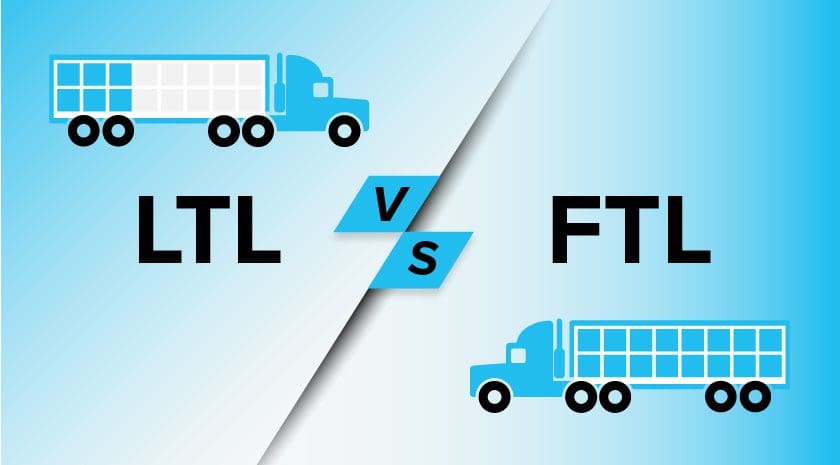
- LTL (Less-Than-Truckload): Multiple shipments share the same truck. Ideal for smaller, lighter loads that don’t require a full trailer.
- FTL (Full Truckload): The shipment occupies the entire truck. Best for larger shipments, high-value goods, or time-sensitive deliveries.
Factors to Consider
- Shipment Size and Weight: Small, frequent shipments are ideal for LTL; large shipments are better suited for FTL.
- Delivery Speed: FTL generally offers faster, direct delivery with fewer stops. LTL may take longer due to multiple stops and transfers.
- Cost Considerations: LTL may reduce costs for smaller loads, but FTL can be more economical per pound for larger shipments.
- Handling and Risk: LTL involves more touchpoints, increasing the potential for damage; FTL limits handling and may reduce risk.
Strategic Recommendations
- Use LTL for partial loads, multi-stop deliveries, or when inventory flexibility is critical.
- Opt for FTL for high-value, bulk, or time-sensitive shipments where speed and reliability are top priorities.
Understanding the operational and financial implications of LTL vs FTL empowers shippers to make informed decisions that optimize efficiency and reduce risk. Shippers who actively analyze their shipping patterns often uncover opportunities to lower costs and improve service.
Consider evaluating your current shipping strategy to determine which mode aligns with your business objectives. A structured assessment can reveal actionable insights for both efficiency and cost savings.
If you’d like to tap into our extensive knowledge and capabilities in this critical expense area of your business, click here https://getafreightquote.com/contact-us/ to schedule a call with our experts.
Share On
Recent Posts
- GetAFreightQuote.com Is Live: Freight Made Simple for Growing Businesses 06/24/2026
- Unlock Immediate Shipping Savings With a Smarter Rate Shopping Tool 03/05/2026
- Strategic LTL Services – Take Back Control of Your Freight Spend 02/26/2026
- How Strategic LTL Solutions Deliver Real Savings, Stronger Carrier Partnerships & Long-Term Control 02/24/2026
- Unlocking Real LTL Savings: Why Partnering with the Experts at GetAFreightQuote.com Delivers Results 02/17/2026